Paraprofessional Onboarding Checklist for the New School Year
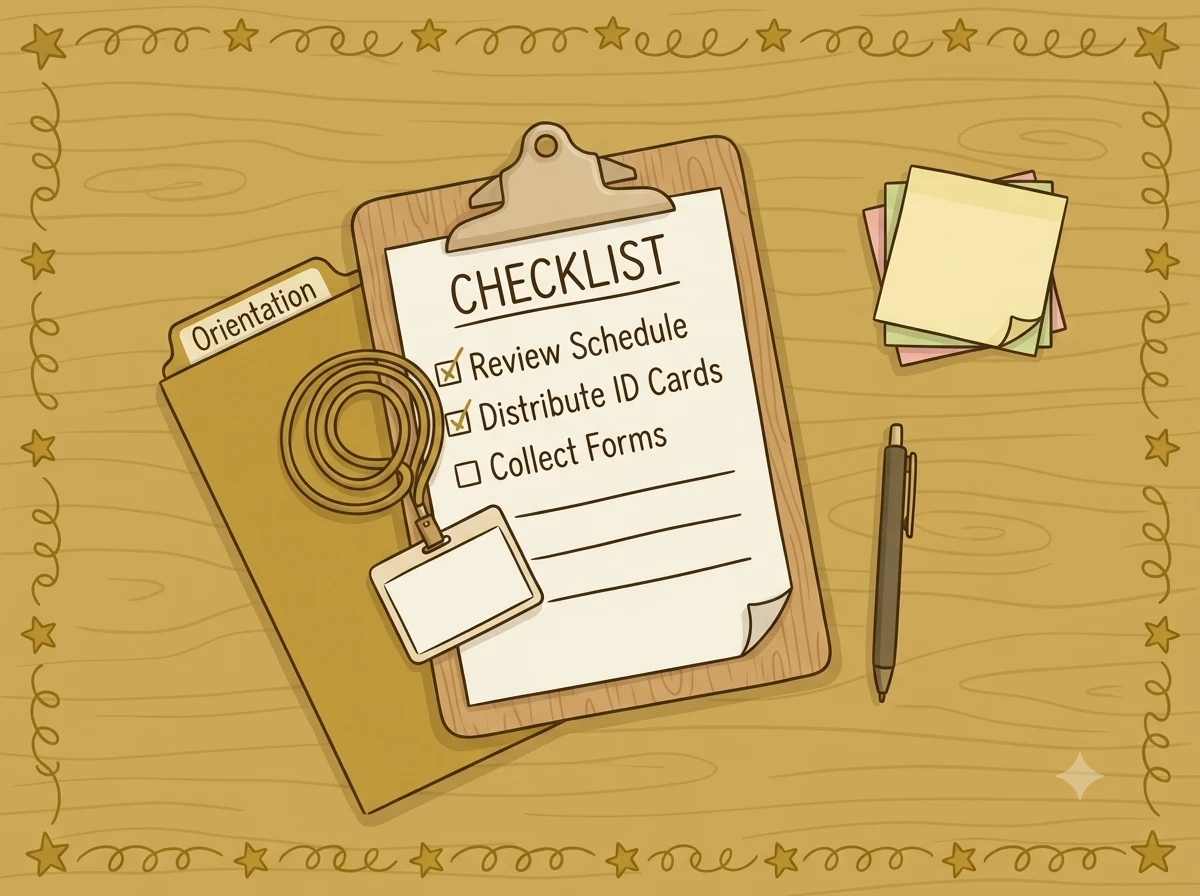
IDEA requires that paraprofessionals be adequately and appropriately trained to support the IEPs they're assigned to, but doesn't spell out exact requirements — those are mostly set at the state and local level. A solid start-of-year onboarding covers confidentiality and FERPA basics, student-specific training tied to each assigned IEP, and clear expectations for communicating with the case manager, documented in writing rather than handled informally.
Paraprofessionals are often the adult spending the most one-on-one time with a student, but onboarding for the role can end up thinner than onboarding for the classroom teacher they're supporting. A short, consistent checklist at the start of the year closes that gap.
What IDEA actually requires — and what it leaves to the state
IDEA requires that anyone providing special education or related services, including paraprofessionals, be adequately and appropriately trained and supervised — but it doesn't set specific federal requirements for what that training looks like. The details are filled in at the state and sometimes district level, so it's worth checking local policy rather than assuming a single national standard applies everywhere.
Confidentiality comes before anything student-specific
Before a paraprofessional works with any student's information, they need a clear orientation on confidentiality — what FERPA covers, what can and can't be discussed outside the classroom, and how student records are handled. This should happen in the first days, not weeks into the year once they've already been handling sensitive information informally.
Student-specific training is separate from general orientation
General onboarding covers the role; it doesn't cover the specific student. A paraprofessional assigned to a student with a communication device, a behavior plan, or particular medical needs needs training on that student specifically — ideally before their first day working directly with them, or as close to it as the schedule allows.
Put training expectations in writing, including refreshers
Districts are generally advised to keep written documentation of paraprofessional training — the date, who provided it, and the general subject matter — including any student-specific training. Annual refreshers matter too, since a student's needs and plans can change year to year even if the paraprofessional assignment stays the same.
Set the communication line with the case manager on day one
A paraprofessional needs to know, from the start, how and when to flag something to the case manager — a behavior concern, a data point worth noting, a question about an accommodation. Waiting for this to come up organically usually means it doesn't come up until something's already gone wrong; setting the expectation explicitly in week one avoids that.
Don't skip this for an experienced paraprofessional
It's tempting to shorten onboarding for a paraprofessional returning from last year, but a new caseload usually means new students, new IEPs, and new specifics — the confidentiality and general-orientation pieces can be brief for a returning staff member, but the student-specific training still needs to happen fresh for whoever they're assigned to this year.
FAQ
Paste your assessment data and generate an IDEA-compliant, individualized goal in seconds.
Try it free →